
The time has finally come. I legitimately didn’t think this brief would ever come, but it’s here. I don’t know whether to like look back in nostalgia at the passing year or just throw up at how the time is just… I can’t even say flown by, its more like it de-materialized and is now travelling at the speed of the equivalent energy needed to produce a force strong enough to pulverise black holes. The time is gone, it’s not even in this damn universe anymore.
Yes, the film brief is here, but at a catch.
We are still in lockdown with no foreseeable end in sight.
So, the film brief is going to be done in a very different way to the previous years. Everyone handles their own snippet of the film. That means that this film is going to be an anthology of non-sequential chapters (or their film equivalents, I got no idea what they’re called, I’m not much of a film fundi). To go about this, we have our individual pieces to create, but we are also ultimately a team working towards a common goal, everyone having a major role to fulfill.
Wessie – Executive Producer – Oversees the entire production and calls on the Producers for feedback and tracking progress. I will also curate and edit the final movie into one.
Anton Gollia – Producer – Takes responsibility for calling the team together, taking minutes, setting deadlines, taking attendance, and delegating tasks. Also ensures that all members fulfil their role assignments and Also, Anton will take responsibility of overseeing the narratives of all the stories and check if they are in line with the main theme of Desolation.
Susan Van Der Westhuizen – Assistant Producer – Takes responsibility for calling the team together, taking minutes, setting deadlines, taking attendance, and delegating tasks. Susan will be also responsible for organising and inviting people to the Online Premiere. Susan will work with Nina and Angelina in conceptualising how this will take place and ensuring that we have enough traction and attendance online.
Wessel Breunissen – D.O.P and Key Grip – Takes responsibility of assisting and guiding with regards to camera’s, devices, technology and advice.
Luke Stephens– D.O.P and Key Grip – Takes responsibility of assisting and guiding with regards to camera’s, devices, technology and advice.
Wiehan Vermeulen– Grip and Technical Engineer – Takes responsibility for assisting the team with all technical related issues, helps finding guides and tutorials and the team can call on him for specific software and hardware related queries whilst busy with the project.
Cheyenne Miller – Marketing and promotion. Takes the responsibility of ensuring that we have frequent posts on social media. Chey writes really witty, thus she can help in writing our posts, ensure that we always have cool and witty sm, but I also wish for het to be our PR and the defuser of potential landmines  .
.
Jared Laggar– Marketing and promotion. Takes the responsibility of ensuring that we have frequent posts on social media.
Tyla Vorster– Animation and Art Direction. Takes the responsibility of title design for the entire production(you are each responsible for your own title designs for your shorts, Tyla will oversee and assist to make sure it fits within the bigger theme). Tyla can also assist in animation techniques, styles and is really good in collating mood-boards of styles, colours and mediums. I also want Tyla to take responsibility to animate the main and closing titles of the entire movie.
Tamsyn Sharwood-Animation. Takes the responsibility of helping with animation techniques, styles, character design and character animation.
Nina Roodbol Creative Director Takes the responsibility for all Graphic and Production Designs. All Social Media posts, templates, logo and typographic placements, posters and fine tunes all the design applications. She will take responsibility to advise on your title design for your “chapter” and also make sure, together with Chey that our Social Media design stays top notch.
Angelina Wicker Creative Director Takes the responsibility for all Graphic and Production Designs. All Social Media posts, templates, logo and typographic placements, posters and fine tunes all the design applications. She will take responsibility to advise on your title design for your “chapter” and also make sure, together with Chey that our Social Media design stays top notch.
Joshua Van Der Merwe– Sound, Josh will take responsibility for assisting and advising on music, score and sound creation. I wish to task Josh and Chey in composing and performing the credit title track at the end of the movie. Please put your heads together in how we can do that.
The theme of this film, is Desolation.
To expand upon the general tone of this theme, we have been in lock-down for quite some time, we have lost general freedoms we never thought could ever be taken from us, we have been starved of connections once dear to us, and have been prohibited from outside activities we once enjoyed.
Over some time and discussion, we found that we have a unique opportunity to share our stories, our own “roller-coaster of emotions” with the world. That is the premise behind our movie.
26/07/2020
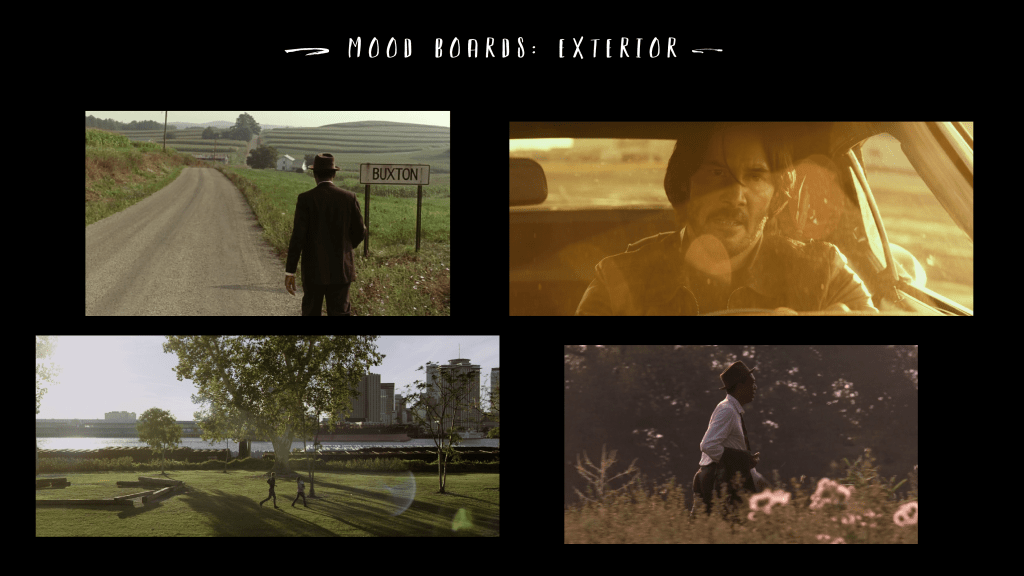
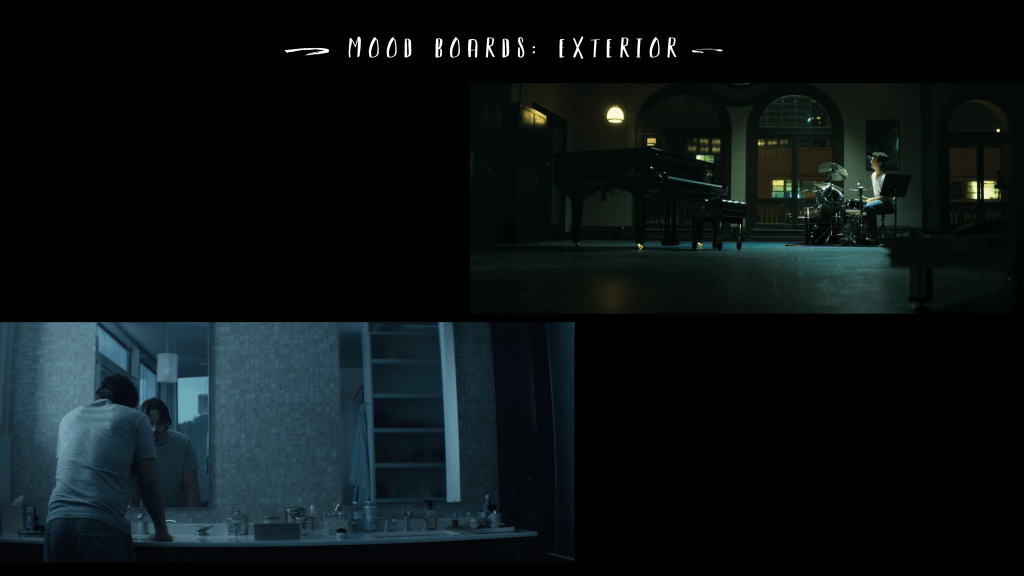
So, we have been given some time to think about some of our favorite movies and why they remain so prominent in our minds. For me, there are too many to count, but if I think about the ones I would re-watch in a heartbeat given the opportunity, they would any of the John Wick movies, Shawshank Redemption, and V for Vendetta. I have generally been an action-movie fan for most of my life and I don’t really foresee that changing any time soon, but there are definitely creative executions other than the directed action that gets my attention.
In V for Vendetta, their was a pretty extensive and significant style consistency across the movie, flat tones throughout, along with a slightly cool overtone to the whole film, with the exception to Eevi’s place before the main events of the film begin to unfold and at V’s hideout, which was done with the intention to highlight V’s relationship to Eevi (played by Natalie Portman) as a significant plot point throughout the film.
In the Shawshank Redemption, it was the sweeping pan that illuminated the scale of the prison with the approaching bus as a referent. I can’t say for certain whether or not this was done to highlight the scale of the events that were to unfold there, but it was a damn cool effect, and really added to the tension of the scene.
In John Wick, it was the color-grading throughout the film during select moments. The first movie was graded in very cold blues, and varying shades of cyan and magenta throughout the film, but there is one instance where the film is actually graded with warm colors, roughly 8 minutes in, when he receives the card and puppy, a last gift from his dead wife, and it is the only time in the movie that the film is graded with that degree of warmth. It really is incredible attention to detail.
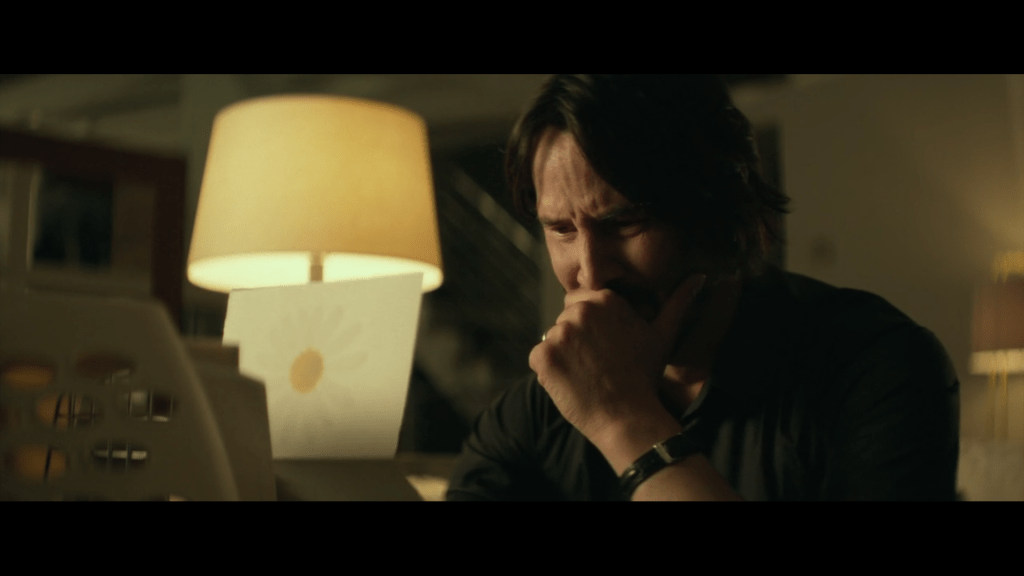
But the “creme de la creme” is the color co-ordination across a particular scene to tell reveal the thoughts of the main character. The scene where John hunts Iosef in the Red Circle nightclub, the club is lit up by an array of blue and red lights. The director carefully utilised them to illuminate John’s thoughts as he enters the lower levels of the club.
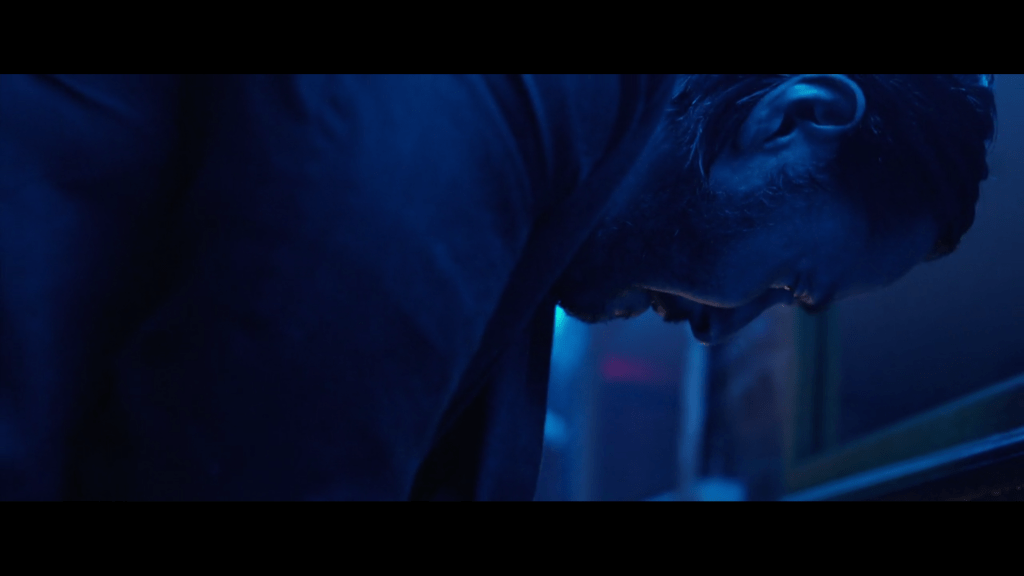
When John is fully illuminated by blue light, he is sure of his purpose and believes he can achieve it, but as he enters areas where he is potentially entering an area of high security or if he’s been discovered or is forced into active combat, he is fully illuminated by red light.
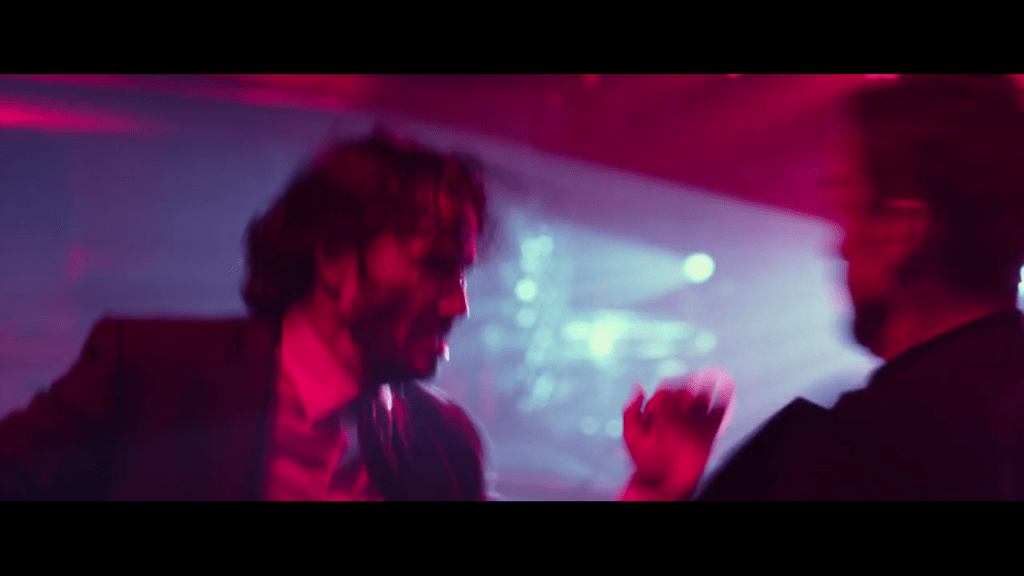
It’s a very explicit effect going on but it’s been done so intentionally that it makes an amazing addition to the film as a story telling narrative device, despite not a word being uttered by Wick throughout the ordeal, but you really need to see it to understand the impact it has on that scene.
So, that’s just a snippet of the things that I enjoy about films, I could go on, good art-direction, beautiful cinematography, gripping choreography, the list goes on and on.
Of course, there are other things to think about, like what I can realistically integrate into my script and final execution to the film, but as far as that goes, I am still very much in a ideation phase. A few days ago, we got to share the basic idea for our individual pieces, one core theme that seemed to arise throughout almost all of them was a sense of loss. Indeed, many of us lost freedoms we took for granted, some of us lost a sense of connection to the world and the ones that inhabit it, maybe some of us lost a bit of humanity along with it, some of us lost a sense of normalcy that we cling to (it isn’t necessarily a moral debate on whether the norm being shaken up is a good or bad thing but it should be considered a valued experience all the same), some of us have lost loved ones and had to say our goodbyes in ways that we may not necessarily find fitting or honorable to their memory, boy did we lose a lot this year.
And I have been thinking about this, deeply. There has been this moral debate within me, questioning whether or not what I intend to share is valid, not for reasons of objectivity but rather of whose experience do I diminish by saying these things. You see, I haven’t lost much, I have few friends that I share my time with and to be honest, it isn’t much time at all that I spend with them. I am an aggorophobe (have a phobia of unusual, unexpected, or uncomfortable social situations) and as such, find that there are very few places in the world where I feel comfortable. I don’t seek the same social stimulation as a large majority of my peers, hell, 90% of the time, what constitutes a good time to them just makes me feel more isolated. Yes, I felt alone well before the lock-down parted me from the world I once reluctantly took part in. I have no family behind me so I guess it is an objective truth that in many ways I am alone. Prior to the lock-down, my general schedule would consist of getting up early, going to class, come back home, feed my dogs, do homework, eat and sleep, and maybe once every blue moon, I would go out.
I haven’t lost things, I have the same degree of freedom as I did prior to the lockdown, no one close to me has died, if I’m honest lock-down took away one of the hardest parts about being in the Academy, being in the vicinity of people who supposedly share the same interests as you on the surface level, but realising that they have access to more resources, and are so much better adjusted to this situation. To a large majority of them, this is just the first stepping stone to greener pastures. Lock-down gave me something back, though.
-He said,” it isn’t good that man should be alone.”- It’s probably what my friends mother thought prior to inviting me into her home prior to the extended lock-down. I had the luxury to be taken in by a family who doesn’t mind my presence, and treats me as though I’m one of their own. It’s beyond endearing and yet almost inconceivable that someone who has every right to simply think of her own family first and foremost, but spared a moment to think of me as well. I have been blessed during this period, and although it comes with sacrifices – as it would being a part of any family, there isn’t a day when I just feel a massive sense of gratitude for the space I am now in, I haven’t experienced a sense of happiness like this in a long time, I almost forgot the feeling. And what a time to have it, a period of mass-despair. What a strange world we live in.
My worries aren’t relegated to this period in time, but rather the period that is yet to come, the time here-after the lock-down has ended. After this year (if lock-down has ended by then), I will have finished my degree, ending a major chapter in my life so far. What do I do then? Do I try and get my head into a studio and start work? How do I even do that? Will there even be such an opportunity with our failing economic situation? There is so much to worry about, so many uncertainties and unknown variables. Will I be equipped to handle the world of tomorrow, will I be the person I need to be to tackle the chapter that comes after?
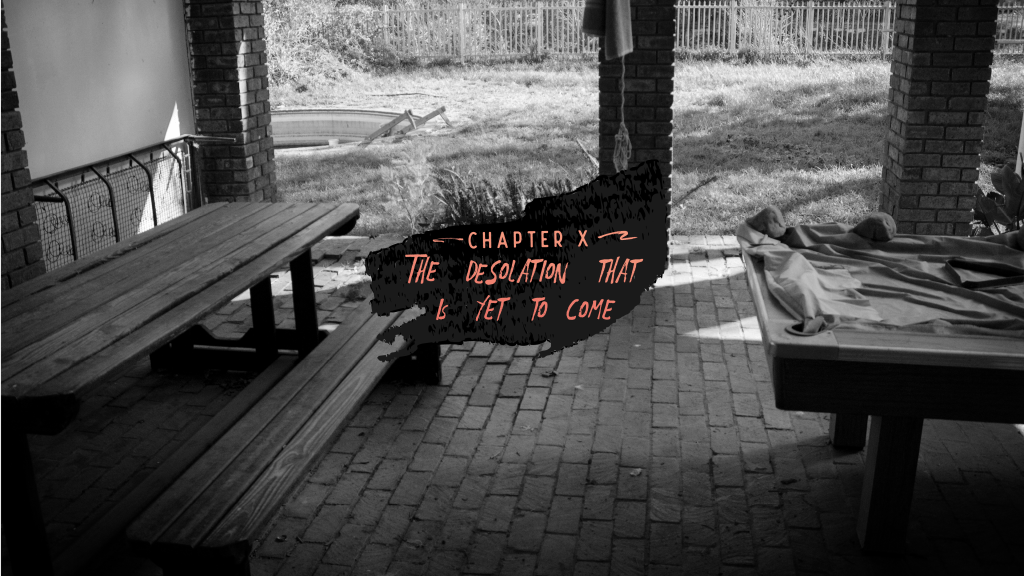
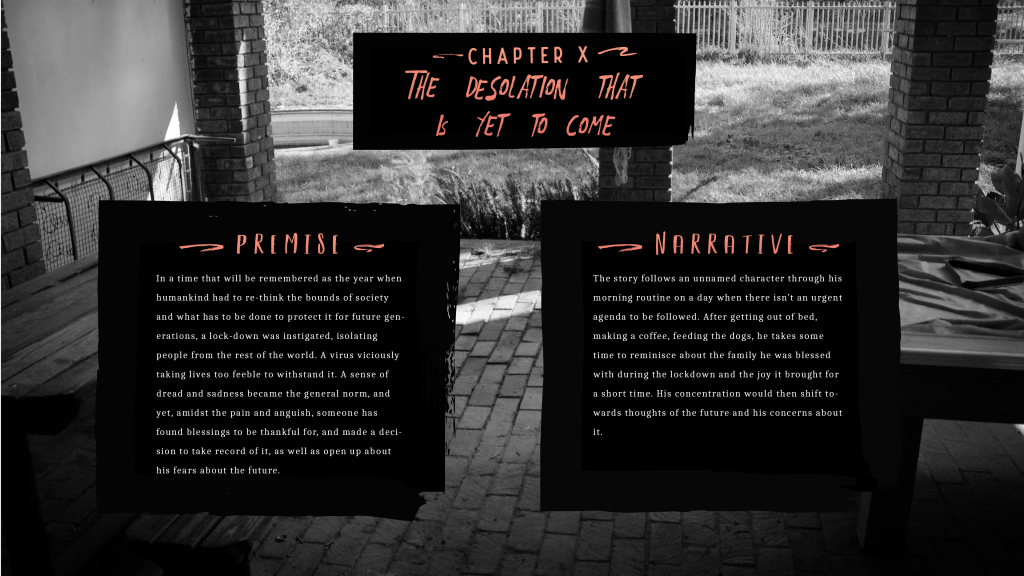
The Desolation that has yet to come.
The premise: In a time that will be remembered as the year when humankind had to re-think the bounds of society and what has to be done to protect it for future generations, a lock-down was instigated, isolating people from the rest of the world. The virus viciously taking lives too feeble to withstand it. A sense of dread and sadness became the general norm, and yet, amidst the pain and anguish, someone has found blessings to be thankful for, and made a decision to take record of it, as well as open up about his fears about the future.
27/07/2020
The Titles
Even though this film is an anthology, there is a beginning and an end to each chapter, and each chapter is it’s own standalone story. Each one will have its own title in addition to the main title of the film. It’s difficult to figure out what mine will be when I don’t have general sense of the style my chapter will take. What I do know is that the emphasis is on what I have to say rather than on the visuals, so it almost takes the form of a diary entry or an audio log. Both of those have a certain perceived style or mood that goes with them, think Dear John, Diary of a Wimpy Kid, or The Diary of Anne Frank compared to something like Chronicle or Cloverfield, just think of how often do you see video cam footage being used in horror films because of the autobiographical nature that a camcorder is intended for. I suppose it isn’t set in stone though, especially since there are vloggers who manage to create an exceptional sense of relatability despite the medium tending to coldly distance the viewer from the film. Just things I’m beginning to think about.
But what about the title sequence itself? Unfortunately, I don’t have great experience in this regard, I don’t know what constitutes a good title sequence from a bad one, aside from the usual things that make a title sequence unusable, like bad timing of text, lacking duration, incoherence to the general style or theme of the film, etc (all of these could just be thrown in with any and all film do-not’s).
So, I put some time aside to look at what critics decide as being good title sequences.
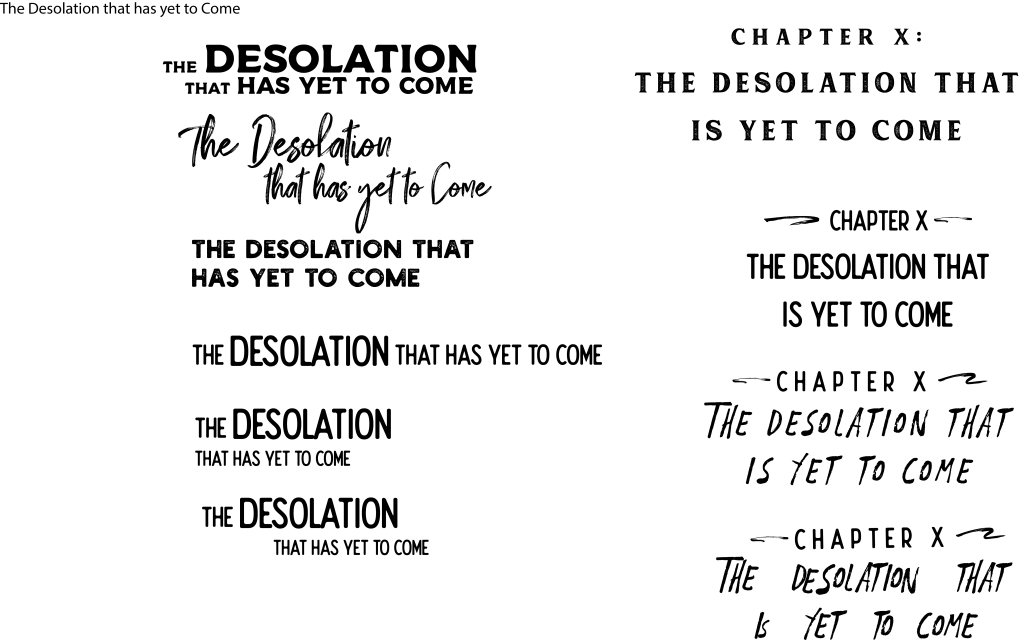
Trying to develop a title card that I can use for my short, no idea how I want to animate the one I develop into a final, but that is something to think about when I get to developing the raw footage.
27/07/2020 II
Today, we got a breakdown of two particular elements that comprise the nature of a theme that a movie is based on: tropes and cliche’s. In my understanding a trope is the heart of a theme and generally is made evident by way of metaphorical devices present in the film. Cliche’s do the same, but rather than a general theme where there can be some variety in how it is presented, a cliche’ covers a smaller aspect that is only really represented in one way and as such, becomes overplayed and very predictable. A good example of a cliche’ is the “rainy funeral” cliche’. Initially, it was done to add gravitas, emphasising the emotion of sadness (falling under the general theme of sorrow) present in the scene, and originally it did, but it has been so overused that viewers either feel nothing towards it or feel a general distaste for it’s use.
A trope covers the range needed to make a general theme (generally falling in between several categories in the range of matters concerning hate, love, sorrow and fact). A good example of a trope is the “vengence for my family” trope. John Wick is a film construed around this very trope, but of course, there is a lot of metaphors that the film uses that make it unique in its interpretation of this trope. The “family” aspect of this trope has both an explicit and implicit metaphor. In the first film, John gets a puppy as a last gift from his wife who died from cancer, but a little after getting it, his house is broken into, his prized 1969 Ford Mustang Boss 429 is stolen, and the puppy killed (not to mention that he himself is beaten within an inch of his life). John Wick goes on to exact vengeance for what had been taken from him.
Throughout the film, each target John has to get through brings up the fact that he has killed countless people for a dog, which is technically true and fulfills the conditions for the explicit metaphor (his puppy was killed, and it was a part of his family after his wife passed), but closer to the end where John corners Vido (Iosef’s father and Russian Crimelord) but gets knocked out and captured, Vido asks John explicitly if he caused all this carnage, razed Vido’s private stash of funds, artwork, blackmail material, you name it, all for a dog. John explains that it wasn’t just a dog, that aside from the fact that it was a gift from his wife, a final gesture of love, it was also an opportunity to grieve un-alone. When Iosef killed the dog, they took away Johns ability to continue to live a life free from the suffering that he earned by killing countless people (which is actually another trope in itself and a biblical proverb, that violence begets more violence).
They had burned the significance of the memory John had of his wife, which is the implicit condition to the metaphor, it is incredibly unique, speaks of John’s humanity (even if its in a flawed context), and makes him all the more relatable. Again in the third film, which I just had the opportunity of seeing, the importance of the memory is brought up again when he recommits his service to the High Table in front of the One Who Sits Above It. This trope covers how much one will do for Love (even if it’s only in the memory, which also covers Sorrow, seeing as nothing can bring the dead back), what degree of Hate is deserved (the total kill-count is beyond imagining) for those who wish to take it away, and although it is a fictional setting in a fictional story, everything the directors and screen-writers have done to make John’s love for his wife Helen believable, makes it relatable to use and in some metaphysical way, is factual to some part of us.


20/08/2020
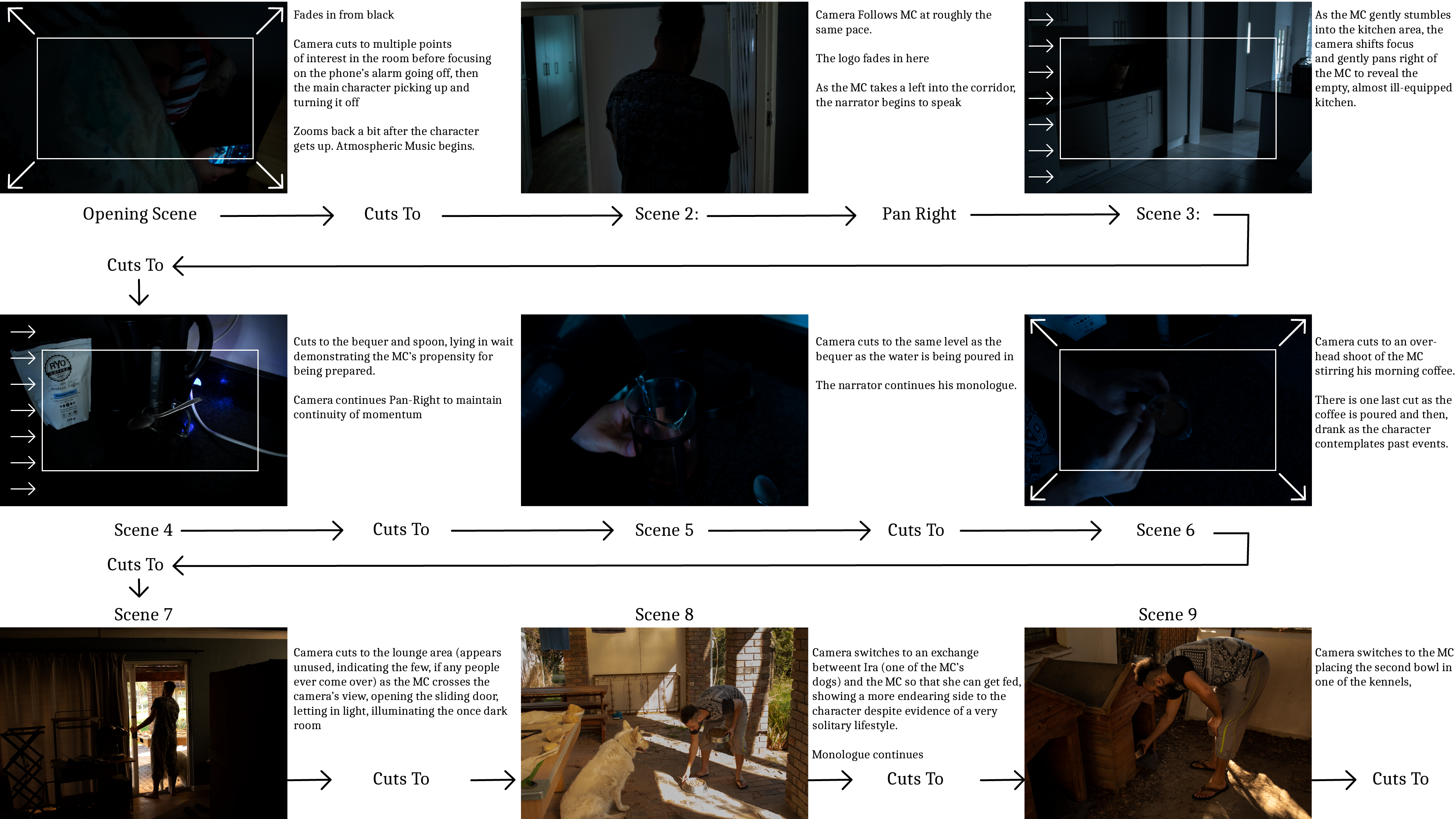
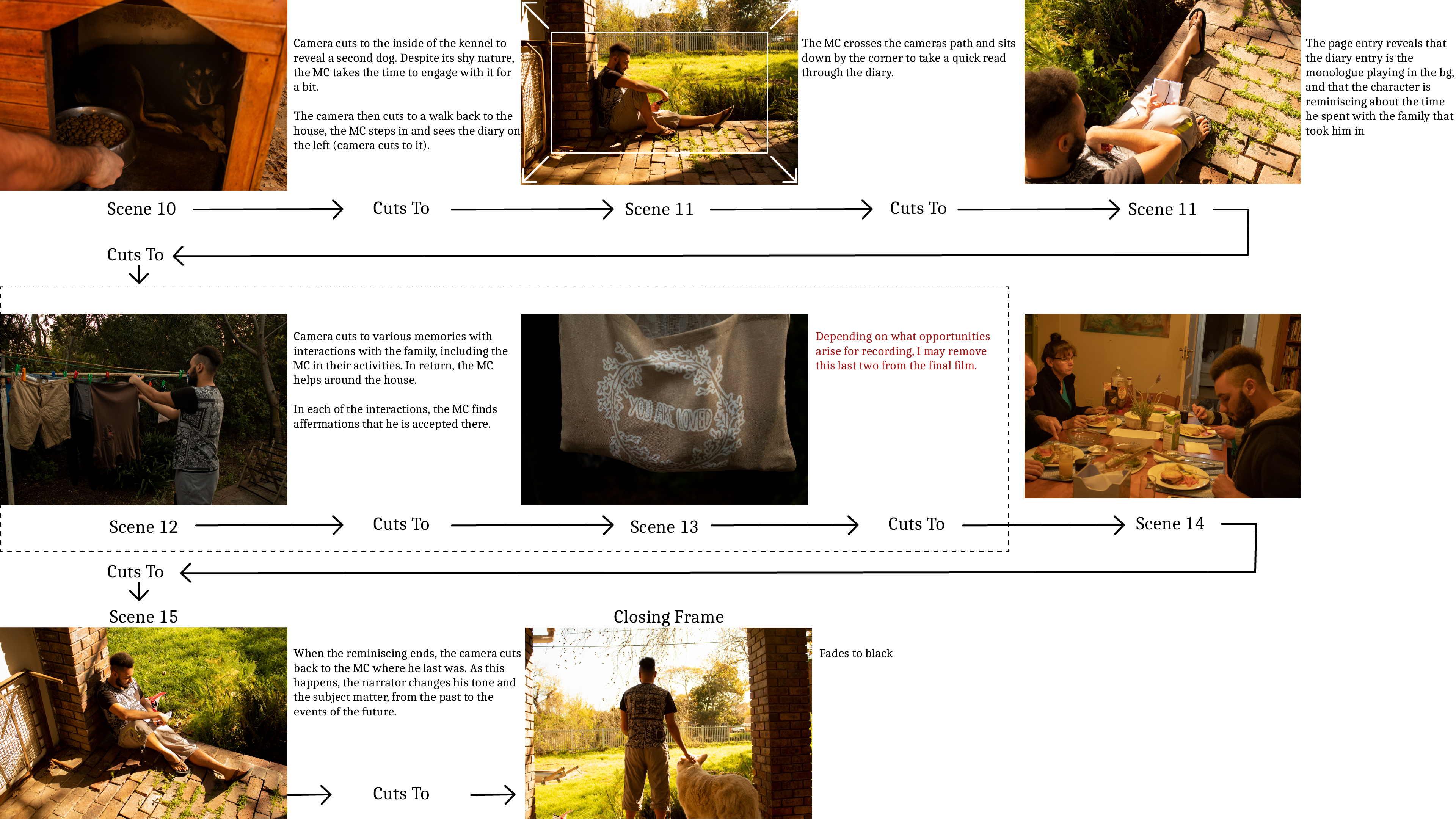
So, quite some time has passed, sorry for the late posts, its pretty easy to get caught up in the admin (a metric f-ton of it) and execution, which is where we are now – the execution stage. There is one thing here I didn’t have here that was meant to go with this lot, and that was the storyboard and style-tests. Because we got limited time, I decided that I would incorporate the style and grades I was gunning for into the storyboard itself. What I will be doing though is cutting and loose stitching the pieces together so people can get an idea of what the flow is gonna be like, and also so that I can consult for a final grade on the piece.
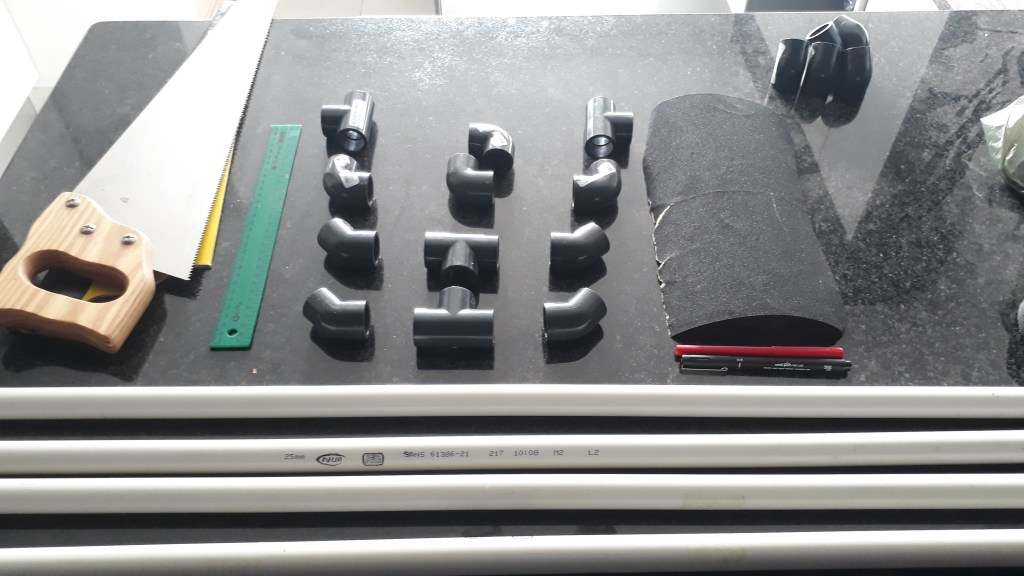
So I have been living with my closest friend of mine and his family, and I have enlisted his help with some of the camera work, the only issue is that both have relatively shaky hands, which can be mitigated by a tripod, but not if we’re moving. So I set about building a rig to stabilise some of the shake inherent with human augmented camera movement.
Here are the parts. I might do a parts list a little later in case anyone wants to know how I did it.
And here’s the finished product… wish I had some black spray paint and some grip-tape to make it look more professional, but it is what it is.
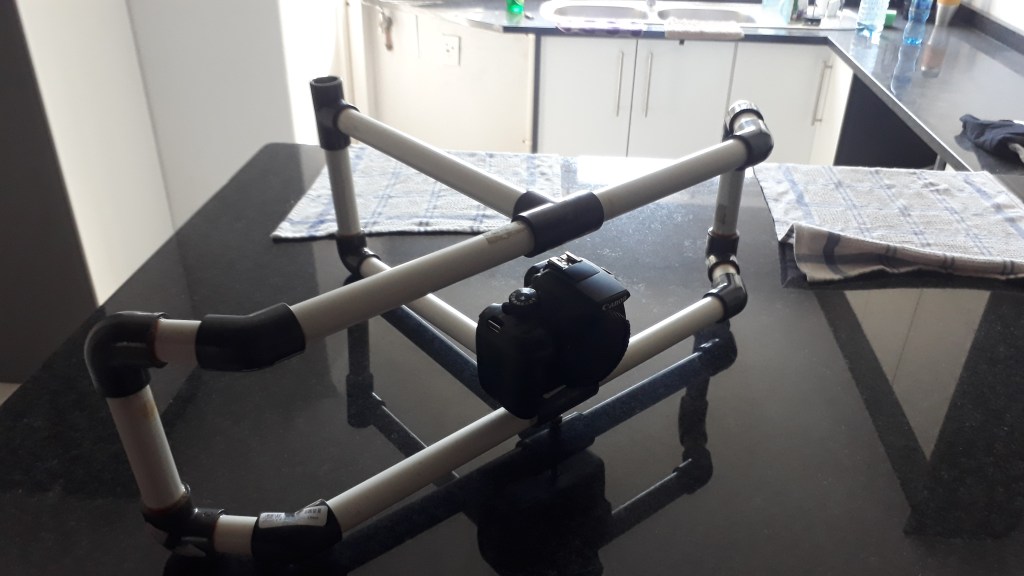
Camera bodies have an innate issue with their design when it comes to shooting stable footage in movement. The reasons being that the human body oscillates in movement, which moves the camera body up and down slightly with every step, and because we don’t have perfect motor function, we shake and roll left and right as well. The second issue is that the hands holding the camera body are close to the 3-axis fulcrum of the lens and sensor, which means that every little twitch in any direction is translated into lens shake.
By spacing the hands and arms further away from that fulcrum, it takes more aggressive shaking to result in lens shake, and because of the central extremity of the rig pushes against the chest of the wearer, there is more consistent left and right yaw. That’s the theory anyway, but it should be stated that it isn’t a perfect solution, the rig has no motorised anti-shake, and there is no gimbal and counter-weight system to reduce roll. If a person moves too sharply or starts sprinting with this, there will definitely be quite a bit of shake. I still intend to do warp-stabilisation onto the footage after I’m done with the cuts, which should massively improve usable footage… I hope.
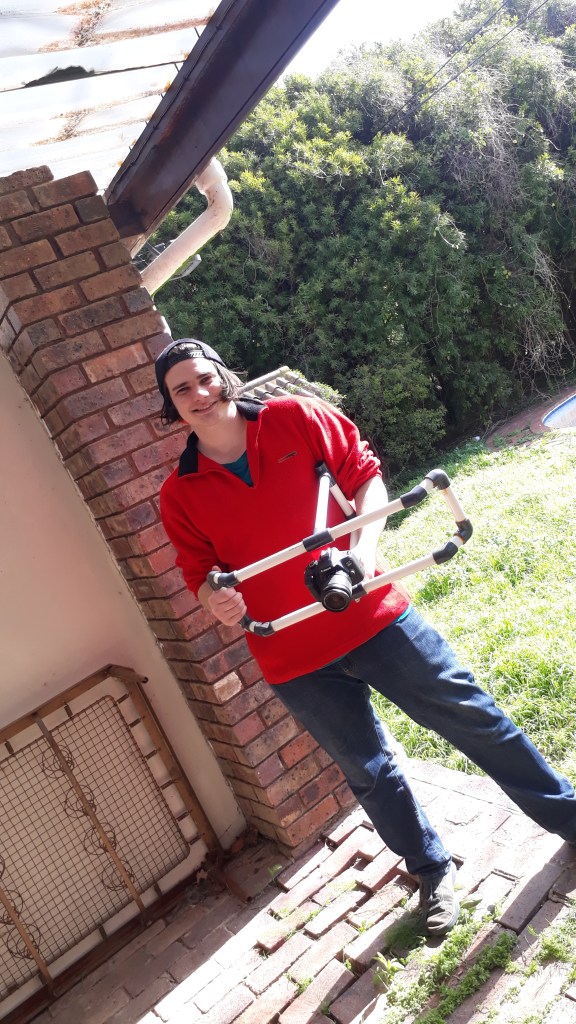
But anyway, here’s a pick of my mate, massive thank you to him for giving up his time to help me shoot this video, couldn’t do this without you, man!
23/08/2020
Editing and Grading
So a lot of ground has been covered over the last while, the footage has been shot and collected. I’ve sifted through the numerous takes and chucked the ones that were irredeemable as a result of grain, over or under-exposure, and shake, or just don’t fit the pace or look I’m going for. Now its all about the editing process. We got introduced to DaVinci Resolve last week in a technical class.
The software is geared towards the color-grading aspect of film making, in fact, its the industry standard if I’m not mistaken. I’ve watched an introductory video on Resolve but I’m still not getting all the aspects of editing at the moment, so I am doing my preliminary cuts, stitches, and shifts in premiere (which I am far more accustomed to). I will then bring in the sorted singular file into Resolve to re-cut (so that I can apply an assortment of grades as opposed to having one grade that will need to be animated throughout the film).
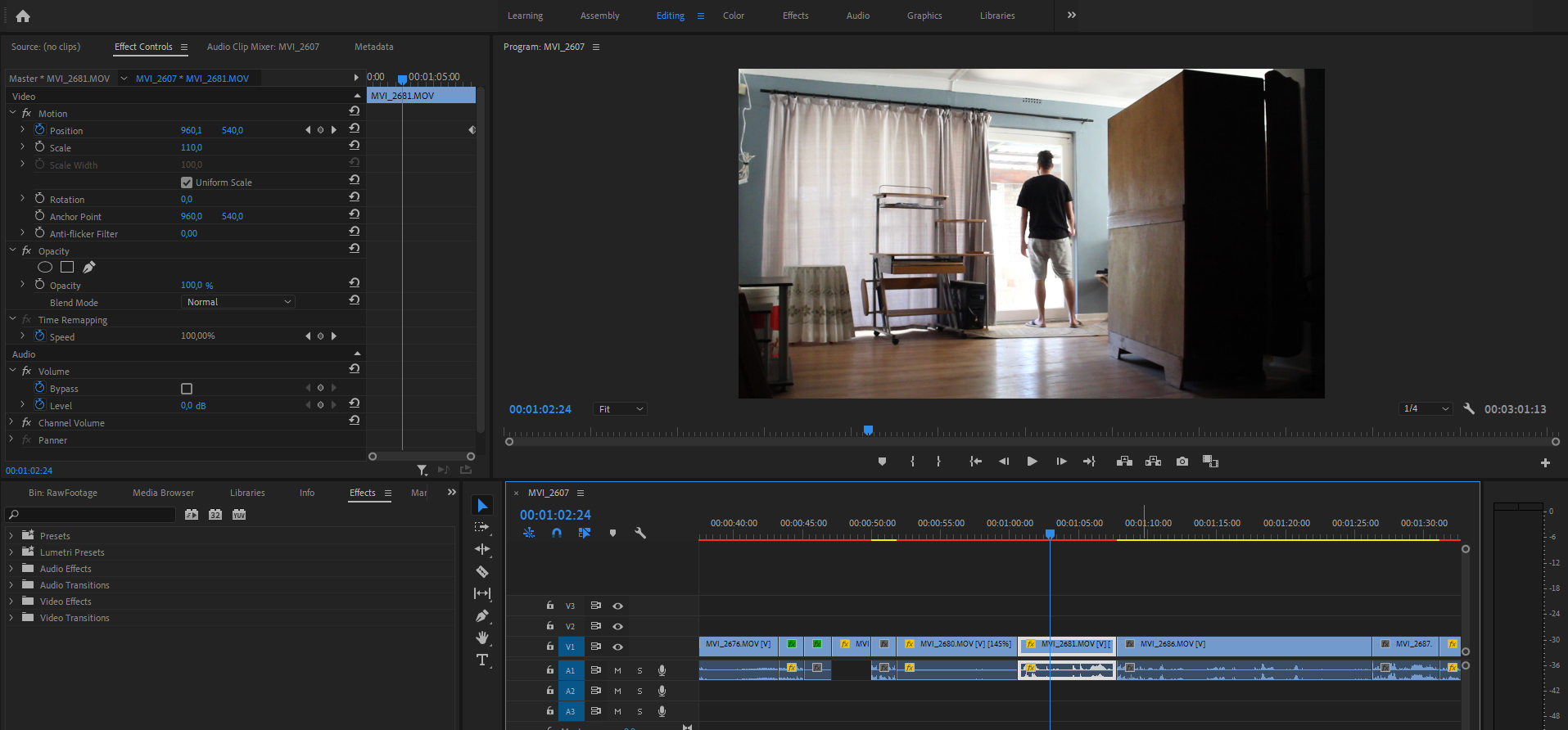
Took awhile to get done, don’t know why but ever since the last update, Adobe programs have been chowing down on my ram (I don’t have much ram, only 8gb, but it should be enough to handle Premiere with no worries, but whatever…). Now for the harder part, actually grading footage.
So color grading was originally a corrective measure undertaken so that footage was expressed on various models of screens as intended. It has become more than that though. It is now used to create cinematic style to invoke certain feelings and emotions from the viewer. Its become quite the artistic practice. I mentioned up above at the start of the brief that color can sometimes be a story-telling element all on their own, this is how.
So I start out with just corrective passes on my stitched footage. I do this by way of the vector-scope and the waveform scope. The vector-scope gives me the ranges of color and specifies the ideal areas where color is entering an area where it can realistically expressed on every screen. The wave form does something similar, it specifies the upper and lower limits of that expression. Using lift (the dial which affects shadows) and gain (the dial that affects highlights), the footage can be brought closer to the areas where the colors appear most believably on screen.
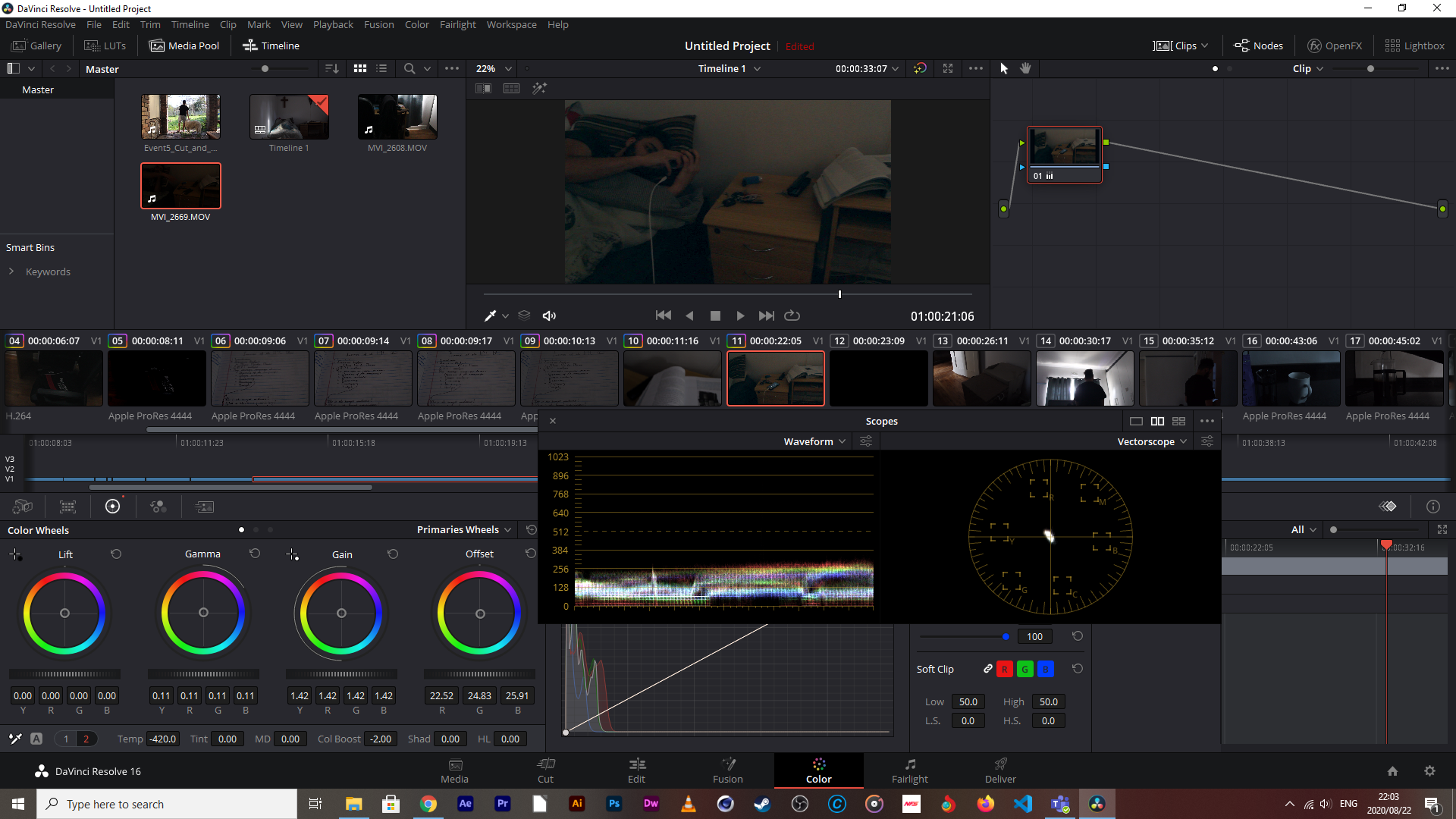
After the corrective passes, I alter the warmth a little and shift the color emphasis in the offset to better suit the overall tone of the film. Initially, I had intended that there would be two different moods to the film, one at the start of the film establishing the solitary nature of the character, and another one that emphasises that the character actually has much more than meets the eye, and I intended to show this by way of having a much more dark and somber grade at the beginning and have it change gradually to a warmer one once the dogs and family were revealed, but after a consult, I was convinced that it may not come across due to the time constraints, so I decided that I would try my hand at a fairly consistent warm grade throughout. It was a relative success. Now that the grade is done, all that’ s needed to be done is sound.
Sound: VO and Soundtrack
There are two parts to sound in this film (well…actually three if you count the atmospherics caught by the camera): the voice over and the sound track. The soundtrack style no longer fitted with the piece when I made the change to the grade and flow of the film, meaning that I would most likely have to re-think the track but more importantly, because the voice of the narrator is actually the most critical part to the film, I needed to make sure that I could record quality audio, neither my phone or my headphone cuts the bill, but this gives me an opportunity. I’ve been saving up for a while, and was debating on whether or not I’d invest in an audio interface or grab an electric guitar and use the extra for a couple of upgrades. I decided that I would rather put the cash towards an interface and a mic, that way, I can kill two birds with one stone, nail the VO and create a custom soundtrack that suits my piece.
So, I had my eye on one for a while, the Focusrite Scarrlet 2i2, but the only one I could get in a mic and studio headset bundle was the Solo, and time was running out so I decided to gun for it while I still had the chance.
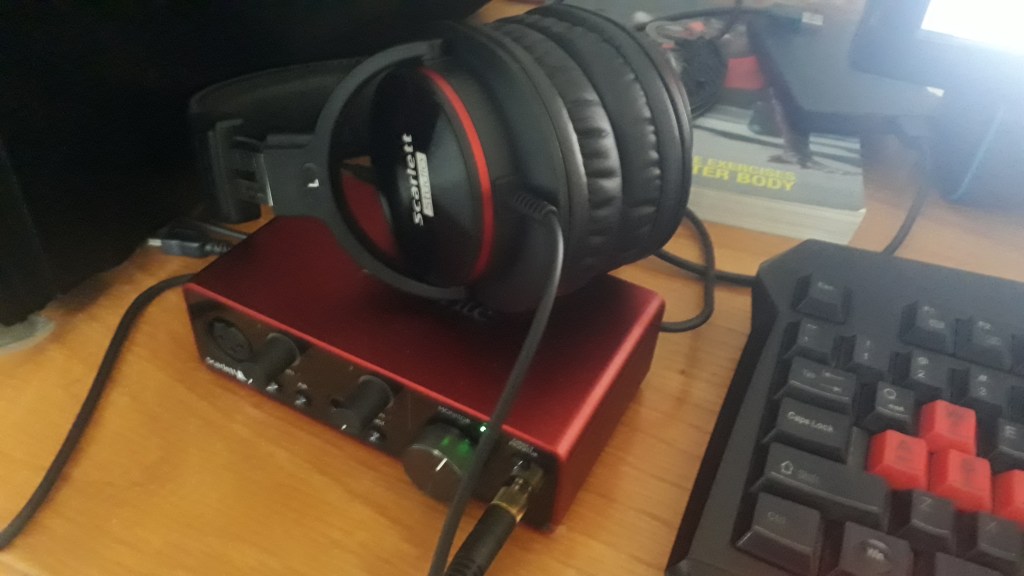
So the purpose of an audio interface is essentially to act in the same way separate audio cards used to for computers or mixers, but for studio quality equipment. It processes the imput from an xlr-enabled device or an instrument cable separately from the motherboard (most modern motherboards have the capability of processing the audio signals themselves but with so many extra things the motherboard has to do these days, its virtually impossible to process interference-free audio, so the interface handles that).
Obviously, all this is useless if you don’t have a DAW with which to record the audio signal. I am using Ableton Lite, the reason being that it comes free with any Focusrite product (so I know I definitely won’t have any compatibility issues between the DAW and interface) but more importantly, I already know how to record signal input through it, if I chose any other, I would have to re-learn it, and “time is of the essence” so going with what I know is my best option.
I have gone through several chord progressions and virtually none of them sounded right, it took me a while to figure out but plugging in directly to the interface means that it has the capability to pickup every false strum, every misplaced finger pick, every off-kilter chord shape, the signal is far more clean than picking it up from a condenser mic but the price paid for that is that every in-grained mistake you make due to bad playing technique or accident is right there in the mix, its fine if you’re going for something experimental and don’t mind the mistakes, but I very much mind my mistakes, I’m far too used to playing in a band where the synergies cancel out any minor issues, but its so evident now that I can’t ignore it.
So whats the alternative? Use the condenser mic. I’ll lose some clarity but it will mask the frequencies that allow for minor mistakes to be so evident. Luckily, its actually pretty good quality. I tested it out for the VO, so I know I don’t have to worry about it sounding tinny. I’m recording in a relatively small room so I might get a bit of frequency bounce, but I might be able to mitigate its severity by adding some reverb to the mix. The only issue is I don’t have a desk-arm for my mic yet, so I guess…
Modern problems require modern solutions
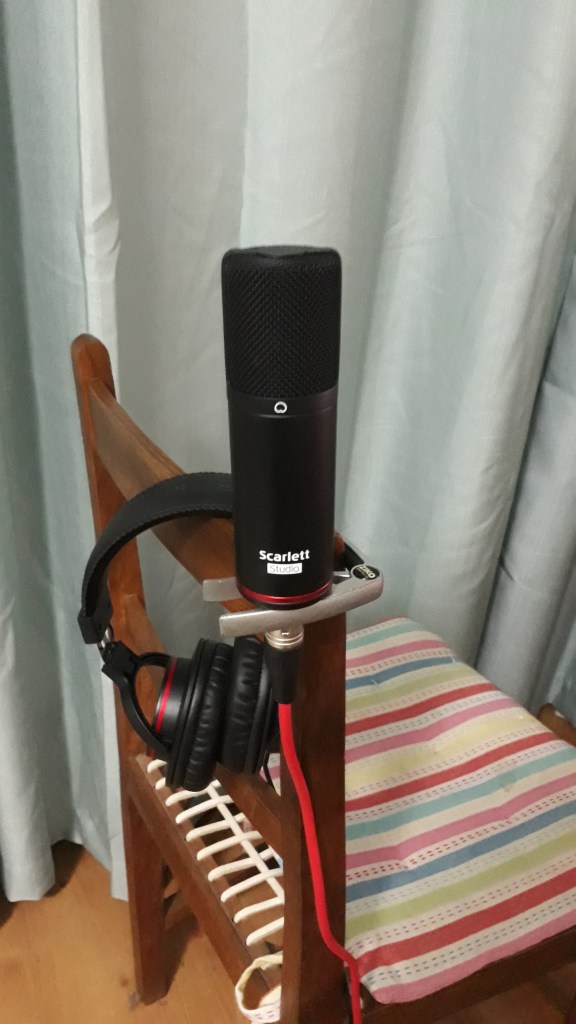
If you can’t tell whats going on, my guitar capo is latched to the side of the chair, acting like a table with a slit in it for the mic and cable. My friend had a fat laugh when he saw it. What’s nice about the mic though, is that it captures audio in a cardiod (heart) shape. I can position it facing away from my pc so that it doesn’t capture the sound of my computers fans.
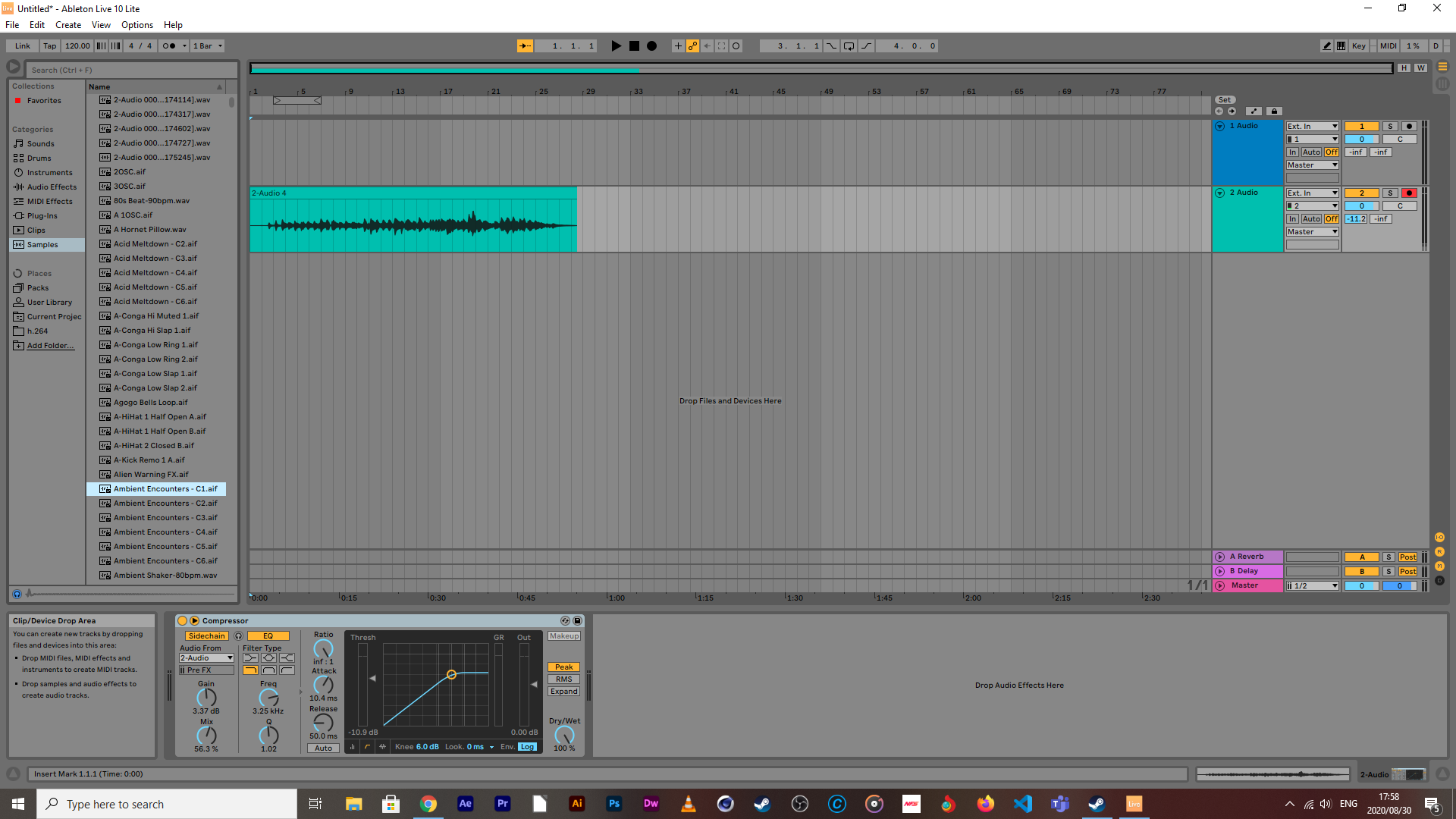
Now for some slight modifications. Recording instruments through a mic sometimes results in a hum or light whistle, I don’t exactly know the reasons why (could be interference but I don’t know), but I do know that with a bit of compression, it can be mitigated to a certain degree. I got some pretty heavy gauge guitar strings on and my frets aren’t perfectly crowned so there might be some fret-buzz. To make it sound a bit more professional, I’m throwing some reverb into the mix, making it sound like it was recorded in a studio hall, also dialing down the harshness of that fret-buzz. In hindsight, I should have recorded a before and after but time wasn’t exactly on my side so I just went for the fixes.
I wanted to do a baseline for it but I haven’t collected any digital instruments as of yet and I don’t particularly like the in-built ones, but on top of that, I don’t have a midi-keyboard to use as an input device. Trying to find the harmonising chords in the same key is quite challenging in Ableton’s piano roll, but I suppose its more accurate to people who know music theory (I don’t, I was never formally trained). To get around this, I duplicated the chord progression, and EQ’ed the mid to high frequencies out, but I also turned the gain down cause it sounded a bit unnatural being as loud as the guitar piece itself.
Then, it was just taking the final exported piece into Resolve and mastering it along with the sound of the atmospherics and VO. I left dealing with all three till last cause they form part of a composite; you can’t fix one in isolation of the others.
And once all was said and done, a movie was made.

 MM3 - Anton Gollia